

Do You Really Need ADAS Calibration? Here’s the Truth for Audi & BMW Owners
When you slide behind the wheel of a precision-engineered machine like an Audi or a BMW, you aren’t just driving a car; you’re commanding a high-performance instrument. On the winding roads of Arnold, Maryland, your vehicle doesn’t just move: it glides through corners, hugs the asphalt with an impeccable grip, and thrives under the pressure of spirited driving.
But as modern German engineering has evolved, so has the complexity of the technology hidden beneath those sleek body panels. Your vehicle is equipped with a sophisticated suite of “eyes and ears” known as Advanced Driver Assistance Systems (ADAS). From Adaptive Cruise Control that maintains a safe distance on Route 50 to Lane Keeping Assist that nudges you back to safety during a long commute, these systems are vital to your safety and the car’s refined driving dynamics.
However, a question frequently arises in the service bay: “Do I really need ADAS calibration?” Some view it as a meticulous necessity, while others worry it’s an unnecessary upsell. At German Automotive Performance, we believe in transparency. Today, we’re pulling back the curtain on the truth behind ADAS calibration for luxury European vehicles.
What Exactly is ADAS Calibration?
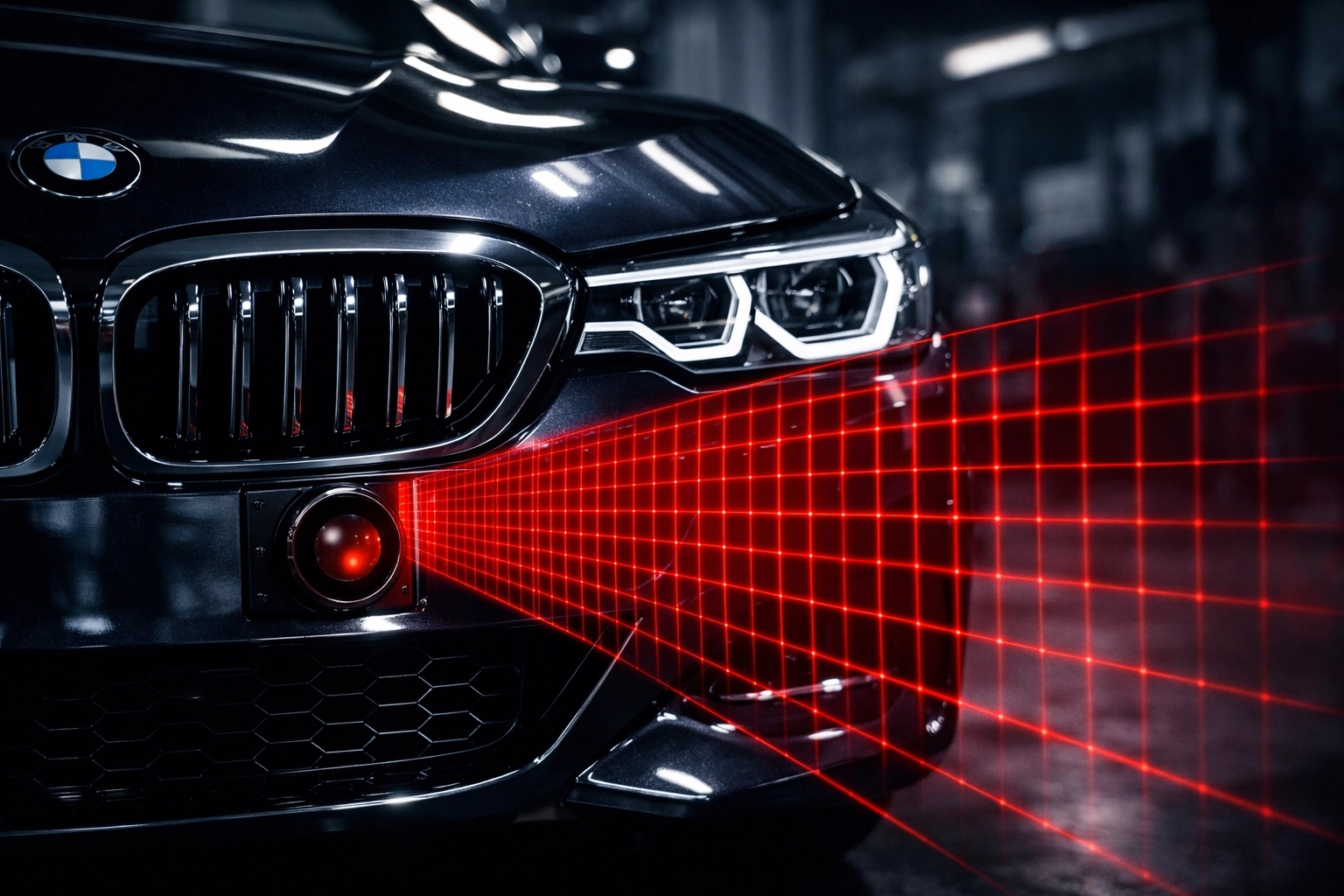
Think of your Audi or BMW as an elite athlete. To perform at a gold-medal level, its vision and reflexes must be perfectly synchronized. ADAS relies on a network of cameras, radar sensors, ultrasonic sensors, and LIDAR to interpret the world around it.
Calibration is the process of physically aligning these sensors and then digitally “teaching” the vehicle’s ECU (Electronic Control Unit) exactly where those sensors are pointing. If a camera is off by just a fraction of a millimeter at the source, it could be off by several feet fifty yards down the road. This discrepancy can lead to erratic braking, steering interventions that feel “nervous,” or a complete failure of safety features when you need them most.
When ADAS Calibration is a Non-Negotiable Necessity
There are specific scenarios where calibration is not just recommended: it is a mandatory safety requirement mandated by OEM (Original Equipment Manufacturer) standards. Ignoring these can compromise the integrity of your vehicle’s safety net.
1. Windshield Replacement
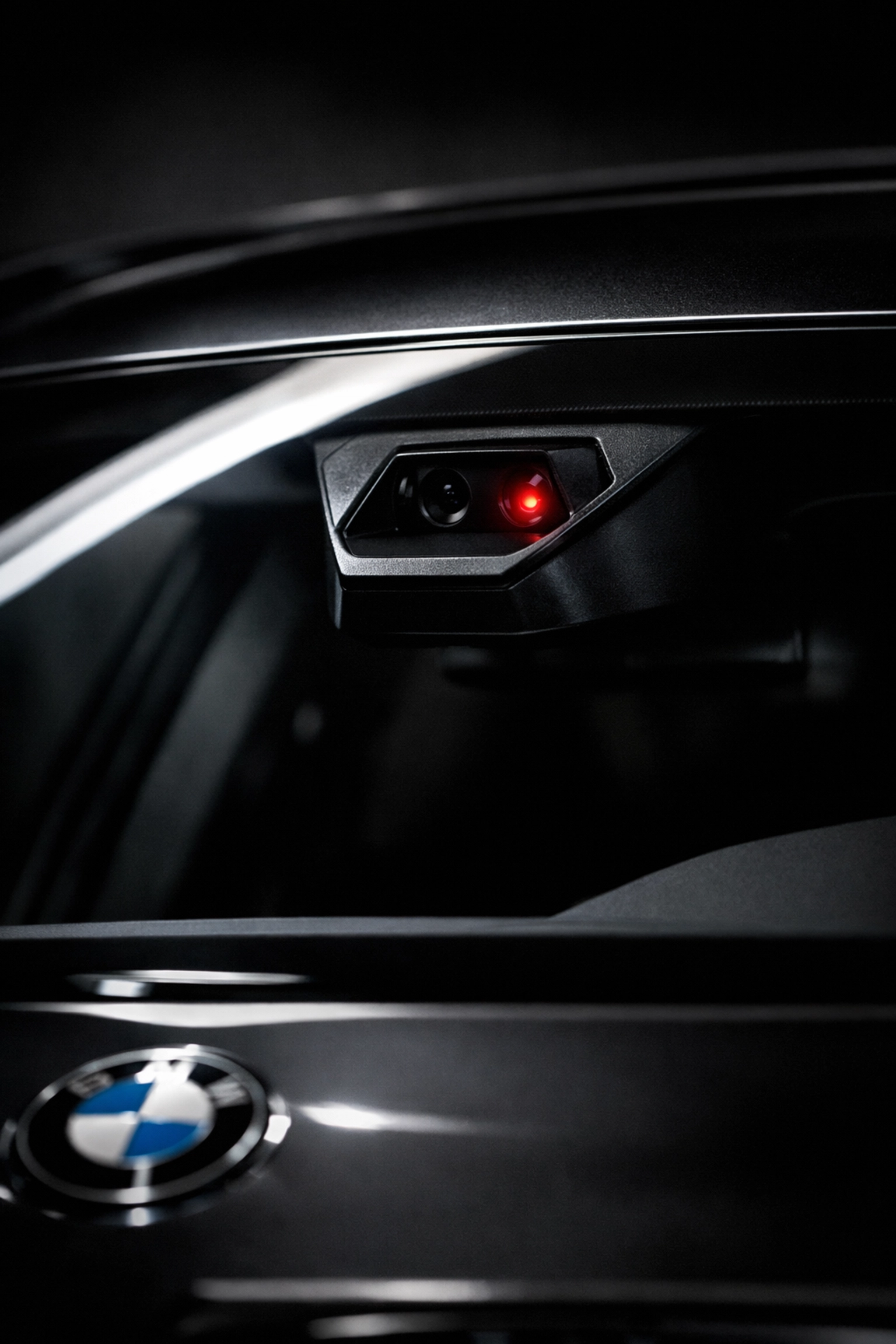
This is the most common trigger for calibration. In most modern Audi and BMW models, the forward-facing camera is mounted directly behind the rearview mirror, pressed against the glass. Even when using high-quality OEM glass, the slight variance in thickness or the positioning of the new bracket can shift the camera’s field of vision.
- The Symptom: Your “Pre-Sense” or “Active Driving Assistant” warning light may illuminate, or you might notice the car drifting further toward the line before the lane-keep assist reacts.
- The Solution: A static or dynamic calibration to re-index the camera’s focal point relative to the road.
2. Collision Repair and Bumper Work
If your car has been in a minor fender bender or required a bumper removal for repair, calibration is essential. Radar sensors are often tucked behind the front or rear bumper covers. If these covers are removed and replaced, the angle of the sensor can change.
- The Symptom: Blind Spot Monitoring giving false positives or failing to detect a vehicle in the adjacent lane.
- The Solution: Meticulous sensor realignment and software verification at a specialized automotive repair service.
3. Suspension Changes or Leveling
Whether you are installing lift or lowering kits or performing a suspension repair, changing the ride height of the vehicle changes the “look” of the cameras and sensors. If the nose of the car is lower than factory specifications, the radar might “see” the ground as an obstacle, triggering ghost braking.
- The Symptom: Inconsistent Adaptive Cruise Control behavior or headlights that seem to point too low or too high.
- The Solution: Recalibrating the pitch and yaw offsets in the vehicle’s central computer to account for the new stance.

The Great Debate: Wheel Alignment and ADAS
One of the most contested topics in the enthusiast community is whether a standard wheel alignment requires ADAS calibration. Some shops insist on it every time; some owners call it “complete BS.”
The truth lies in the Thrust Angle. Most modern German vehicles use the rear wheels to determine the direction of travel (the thrust line). If a technician performs an alignment and significantly changes the thrust angle, the car is technically “pointing” in a different direction than the sensors believe.
For BMW owners, if the alignment involves significant adjustments to the steering rack or rear subframe, the Steering Angle Sensor must be reset, and in many cases, the ADAS should be verified. However, if it’s a minor “toe-and-go” adjustment, full recalibration may not be necessary. At German Automotive Performance, we use auto diagnostics to determine if the deviation is within the factory-allowed tolerance before recommending the service.
BMW & Audi Specific Considerations
While both brands utilize high-end tech, their requirements differ slightly:
- BMW Logic: Interestingly, on many BMW models, if you replace only the control unit (the “brain”) but leave the camera or sensor untouched, the calibration data often transfers over, and a full physical recalibration might be avoided. However, any physical disturbance to the camera or radar remains a “must-calibrate” event.
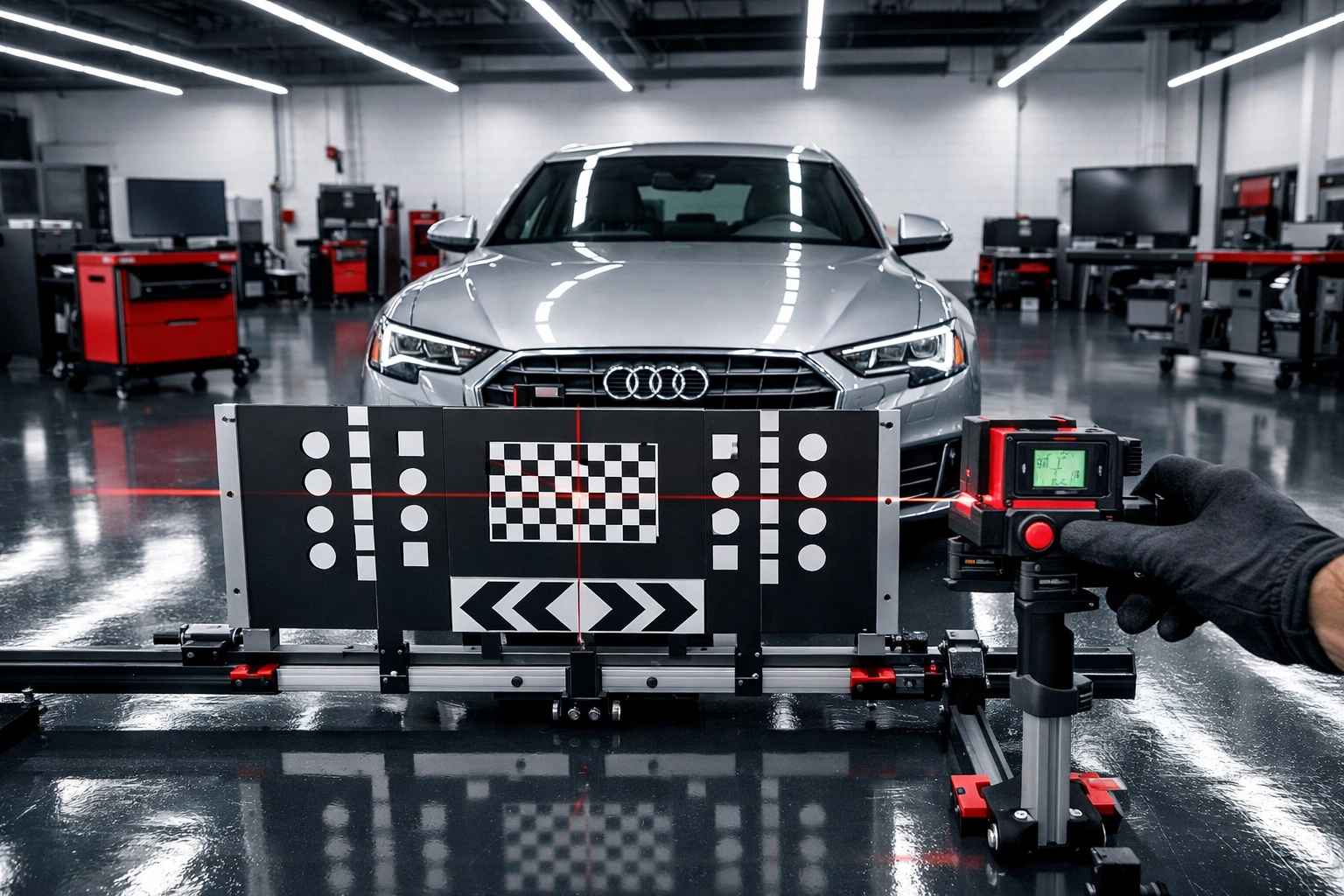
- Audi Precision: Audi’s systems, particularly those integrated into the Audi Pre-Sense architecture, are incredibly sensitive. Audi often requires a “static calibration” using specialized targets in a controlled environment to ensure the Adaptive Cruise Control and Active Lane Assist are functioning to the millisecond.
Why Precision Calibration Matters in Arnold, MD
Maryland weather can be unpredictable. From torrential summer downpours to icy winter mornings on the Chesapeake, you rely on your Audi or BMW to keep you safe. If your ADAS is even slightly out of alignment, its ability to detect a hydroplaning car ahead or a pedestrian in low visibility is compromised.
Maintaining your vehicle isn’t just a chore; it is a vital investment in preserving a luxury asset. When you choose a shop that understands the nuances of engine repair as well as the digital intricacies of sensor arrays, you are ensuring your vehicle remains the high-precision instrument it was designed to be.
5 Mistakes to Avoid with Your ADAS
- Ignoring Warning Lights: A “System Restricted” message isn’t a suggestion; it’s a sign that your safety net is offline.
- Using Non-OEM Glass: Cheap windshields often have optical distortions that confuse the camera.
- DIY Sensor Cleaning: Using abrasive chemicals on sensor covers can permanently damage the specialized coatings.
- Skipping Calibration After a “Small” Hit: Even a 5mph tap can jar a radar sensor out of its 1-degree tolerance zone.
- Assuming All Shops Are Equal: ADAS calibration requires expensive, specialized equipment and clean, level bays that many general repair shops simply don’t have.
Unlock Your Vehicle’s Potential
Your BMW or Audi is a masterpiece of German engineering. It deserves meticulous, expert-level care that goes beyond a simple oil change. Whether you’ve just upgraded your suspension or had a minor mishap, don’t wait for a dashboard light to tell you something is wrong. Stay ahead of the warning signs and ensure your vehicle’s safety systems are operating with impeccable accuracy.
At German Automotive Performance, we are your partners in longevity. We combine the passion of a car enthusiast with the clinical precision of a master technician.
Ready to ensure your Audi or BMW is performing at its peak? Contact us today to schedule a diagnostic check or ADAS verification. Let’s keep your driving experience refined, safe, and exhilarating.
Business Details
Name: German Automotive Performance
Location: Arnold, MD
Specialties: Audi, BMW, Volkswagen, Porsche, Mercedes
Services: General Repair, Performance Tuning, Diagnostics
Tone: Professional | Meticulous | Passionate